
Owner To Shippers: Shape Up Or Face Draconian Laws
Oil companies and the tanker industry deserve to be hit by Draconian legislation if they do not clean up their act, according to a major shipowner. A series of simple measures would eradicate most of the defects which led to the loss of the Erika, said Lars Carlsson, president of Swedish tanker operator Concordia Maritime.
"If we in the shipping industry abstain from introducing...steps which can so easily reduce most of the hazards in sea transportation, we deserve what will undoubtedly hit us: legislation from authorities which may be both unpredictable and inefficient," he said.
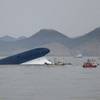
Heavy fuel oil from the TotalFina-chartered Erika polluted French beaches after the ship broke in two in December. Structural failure was said to be the likely cause of the loss by a preliminary French report.
Carlsson proposed measures including boycotting companies known to bend the rules, using only older ships which have been classified as higher standard and vessels which employ a loading system comparable to using a double skinned hull. "The real power rests with the oil companies," he said.
"It is amazing how stubbornly some oil companies have avoided the CAP system which would identify additional structural strength."
Condition assessment programs (CAP) identify extra requirements above that required to pass a special age survey, including steel dimension 15-20 percent above normal corrosion measurements.
"Such a rule would most probably have made an Erika type of accident very unlikely," he said, if applied to vessels more than 15 years old.
In the last few weeks a number of oil majors have started adopting CAP rules for large tankers over 20 years old and smaller vessels more than 25. But critics say they may not have netted the Erika, which fell into the category of smaller ships.
Oil spill risks could also be reduced by using Hydrostatic Balanced Loading (HBL) in old single hull vessels, Carlsson said.
The system uses different pressure levels between the outside sea and the cargo in a vessel's tanks to ensure oil does not leak from a rupture. Concordia operates a number of vessels that utilize HBL.
But some oil majors have been unprepared to use HBL regarding it as less reliable than the provision of double hulls. Only about 25 percent of the current world fleet is double hulled.
Carlsson said he did not expect a massive rise in freight rates to result from using the measures to boycott the worst old vessels. New ships would be built to replace them.
A rush to charter newer ships on Middle East to Far East voyages last week drove VLCC rates up by around 35 percent on the route, but from such depressed levels that brokers said they were still below breakeven levels for new vessels.