Gas-Producing Nations Take First Step Toward OPEC-Style Group
The world's biggest gas producers agreed to set up a committee to look into pricing, in what could be the first step toward setting up an OPEC-style group to control supplies.
Energy ministers from Russia, Iran and Qatar, holders of the world's biggest gas reserves, and envoys from 10 other nations, met today in Doha, the capital of Qatar, for the Gas Exporting Countries Forum.
They agreed to set up a working committee that will examine the relationship between producers and consumers as well as pricing. Asked if this could pave the way to an eventual cartel similar to OPEC, Algerian Energy
The European Union, which relies on Russia for a quarter of its gas, has warned that a group modeled on the Organization of Petroleum Exporting Countries may spur consumers to switch to alternative sources of energy. Natural gas consumption worldwide will rise to 182 trillion cubic feet in 2030 from 95 trillion cubic feet in 2003, according to the U.S. Energy Information Administration.
Russia, the world's biggest energy supplier, will chair the working group and host the next meeting of the gas forum, Energy Minister Viktor Khristenko said.
Qatar's oil minister earlier attempted to play down concerns over the future direction of the group.
Exxon Mobil Corp's plans for a gas-to-liquids export project in Qatar were scrapped because of high costs and domestic gas needs, the minister said in an interview on April 6. Exxon unexpectedly said Feb. 20 it had called off plans to build a multibillion-dollar facility with state-run Qatar Petroleum that would convert gas to diesel, citing high costs.
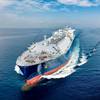
A natural gas cartel will only succeed when liquefied natural gas accounts for the majority of internationally traded gas, allowing producers to ship the fuel in tankers and sell it on the spot market, like oil, said Joseph Stanislaw, an energy adviser to Deloitte & Touche.
Currently only about 23 percent of gas exports move on tankers. By comparison, about 60 percent of internationally traded oil is shipped on tankers, according to the International Energy Association.
Most gas is currently shipped through pipelines, locking producers and consumers into long-term contracts on either end of the pipe.
Source: Bloomberg