U.S. Pushes Bahamas To Sign PSI
According to reports, U.S. Ambassador to The Bahamas John Rood continues to push for The Bahamas to sign onto the Proliferation Security Initiative (PSI), but according to the country’s foreign minister, The Bahamas – the world’s third largest ship registry – remains cautious.
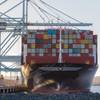
The PSI would give the US the right to search any of thousands of Bahamas-flagged ship anywhere in the world under the pretext of searching for nuclear material or weapons of mass destruction.
After applauding the conclusion of the Megaports Initiative (MPI) and the Container Security Initiative (CSI) as major accomplishments in US-Bahamas relations, Mr. Rood pointed out that The Bahamas has yet to sign on to PSI.
Foreign Minister Fred Mitchell explained that the goal of the PSI is not unreachable under the status quo. The minister didn’t want to comment on the negotiations because he said the matter is being reviewed by the government and the relevant stakeholders, including the Ministry of Transport and the Bahamas Maritime Authority.
He did respond to questions about whether the government felt a sense of urgency about concluding the PSI agreement.
Minister Mitchell pointed out that both MPI and CSI are mostly concerned with Freeport.
The minister said The Bahamas wants to be sure that cargo outbound from Freeport is secure to prevent threats to the safety and security of the US.
He reiterated that Freeport’s participation in the MPI and CSI agreements is a good marketing tool, apart from the security aspects.
In May 2006, an official with the US government’s National Nuclear Security Administration (NNSA) testified before a US House Committee on Homeland Security about these initiatives.
David Huizenga, assistant deputy administrator of the NNSA’s office of International Material Protection and Cooperation (IMPC), told US authorities that IMPC had established the Megaports initiative "in response to the concern that terrorists and states of concern could use the global maritime shipping lanes to smuggle nuclear or other radiological material."
The Bahamas joined countries like Belgium, Spain, and Sri Lanka when it signed the Memorandum of Understanding with the US for the MPI in December 2004.
The NNSA touts the MPI as an equipment-focused programme, whereas it sees CSI as more personnel driven.
Source: Bahamas Journal