California, U.S.’s Largest Coastal No-Sewage Zone
U.S. EPA’s Pacific Southwest Regional Administrator Jared Blumenfeld announced details of the Agency’s proposal to ban all sewage discharges from large cruise ships and most other large ocean-going ships to the marine waters along California’s entire coastline. This will establish the largest coastal No Discharge Zone in the United States and is expected to eliminate millions of gallons of sewage that large ships discharge every year into local waters.
“California’s coastal waters are a unique national treasure. The clear waters of the Pacific are central to California’s economic and ecological vitality. Stopping 20 million gallons of sewage from entering California’s coastal waters and bays protects people and wildlife from dangerous pathogens,” said Regional Administrator Jared Blumenfeld.
This action will strengthen protection for 5,222 square miles of California’s ports and coastal waters, extending from the border with Mexico to Oregon and the waters surrounding major islands. It proposes a new federal regulation to establish the sewage discharge ban.
“California’s beautiful beaches attract millions of tourists every year and we have fought hard to keep it that way. Pollution from these ships is a direct threat to our natural resources and the local economies that depend on tourism dollars. I commend U.S. EPA for this significant step forward in ensuring that our coastline remains pristine,” said Linda Adams, California's Secretary for Environmental Protection.
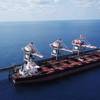
The ban will prohibit sewage discharges from all 300+ ton vessels, including cruise and cargo ships that operate in California waters.
Under the Clean Water Act, states may request EPA to establish vessel sewage no-discharge zones if necessary to protect and restore water quality. In 2006, following passage of three state statutes designed to reduce the effects of vessel discharges to its waters, the State of California asked EPA to establish the sewage discharge ban.
The proposed prohibition is unprecedented in geographical scope. In contrast to prior no-discharge zones under the Clean Water Act, which apply in very small areas, the new ban will apply to all coastal waters out to 3 miles from the coastline and all bays and estuaries subject to tidal influence. There are 9 small no-discharge zones currently designated in California, which include the national marine sanctuaries.