Great Lakes Shipping Shows Signs of Recovery
Overall U.S. maritime cargo volumes in the Great Lakes region are recovering from extreme lows experienced in 2009 finds a MARAD study.
The U.S. Department of Transportation’s Maritime Administration (MARAD) report 'Status of the U.S.-Flag Great Lakes Water Transportation Industry', finds that the U.S. Great Lakes maritime industry is generally healthy, providing efficient, safe and environmentally friendly transportation services. It continues to be competitive with railways and trucks and, supported by responsible regulation and infrastructure maintenance, will remain an essential part of the regional and national economies.
“This study shows that the recovery happening in communities all across the country is also happening right here in the Great Lakes, with cargos rebounding from the low levels reached in 2009,” said U.S. Transportation Secretary LaHood. “It confirms what we’ve long known – that the Great Lakes fleet provides efficient, safe and environmentally sound transportation services that remain competitive with other modes of freight transportation.”
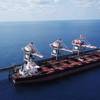
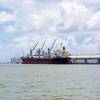
The study describes a broad range of issues relevant to the current and future health of the U.S.-flag Great Lakes water transportation industry. It provides information on U.S. vessels, ports, shipyards, cargo markets, emissions and ballast water regulations, dredging, regional planning, and other factors, with a focus on large dry bulk vessels, known as “Lakers.” The study identifies and evaluates options to revitalize some U.S.-flag Lakers, particularly by repowering older vessels that still use steam engines with modern conventional diesel or LNG diesel engines.
The report notes that in 2009, the Great Lakes maritime industry suffered from a confluence of several challenging conditions, including a 33 percent drop in cargos attributable to the recession. The moderate recovery in waterborne cargoes since that time, aided by the recovery of the automobile and steel industries, is providing support to the water transportation industry. Iron ore, the single most important cargo for U.S.-flag Lakers, has almost fully recovered to pre-recession levels. With the exception of coal, the major cargos of iron ore and limestone on the Great Lakes are projected to grow gradually with the economy over the next several years. Coal cargos have not recovered since the recession.
“The Department of Transportation is committed to a strong future for the maritime industry, and the Great Lakes fleet is an extremely important part of that future,” said Maritime Administrator David Matsuda. “This study helps the Agency and our industry partners better understand what we need to do to needed to keep Great Lakes shipping competitive and responsive to regional needs.”
Click here to read the MARAD study.