

The logbook comes full circle
From compliance record to commercial instrument - and back to the data source it always was
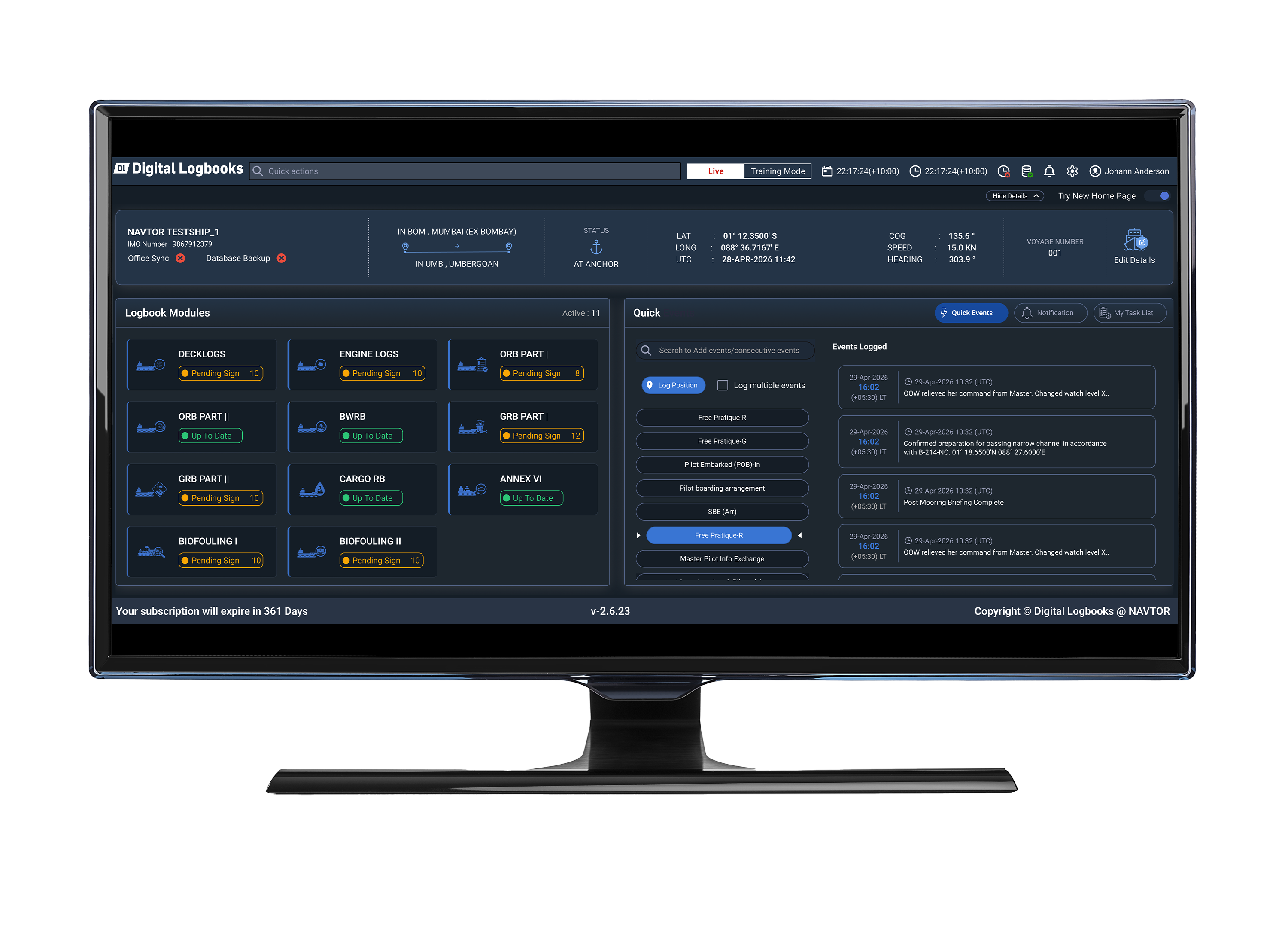
Paper logbook entries die on the page. The same entries in digital format live across a fleet, adding up to a picture of situational awareness no single ship ever had - one that can be read, compared and acted on. That is not a compliance improvement, it is a competitive advantage.
For three centuries, the logbook was the most valuable data product afloat - soundings, tracks, currents and coastal sketches, extracted ashore and reprinted for the fleet. Naval logs were filed before pay was issued, and courts, underwriters and charterers settled on what the book said.
Somewhere in the last century, the log became something you produced for an inspector. That era is now ending, for financial reasons.
Since 1 January 2026, IMO DCS wants fuel split by consumer, underway versus not underway, onshore power at berth and laden distance travelled. FuelEU Maritime wants GHG intensity and exact times at berth in EU ports. Every BDN must include a signed flashpoint declaration. It's the same voyage, recorded at higher resolution. Every field is priced: compliance balances, pooled surpluses, allowances and penalties compute directly from log entries. A misrecorded hour alongside is no longer an administrative slip; it's a number on an invoice.
The more interesting turn is what happens next. Navigational data tells us what the world is; the passage plan what we intend to do in it; the logbook what actually happened. Once those records are digital and shared across a fleet, one voyage can inform the next.
The next bridge team can see the real course alterations, optimal speeds in busy waterways, under-keel clearance observed against that predicted and where the pilot launch actually came alongside. Across a fleet, safe speeds, UKC margins and boarding areas become empirically verified values rather than assumed.
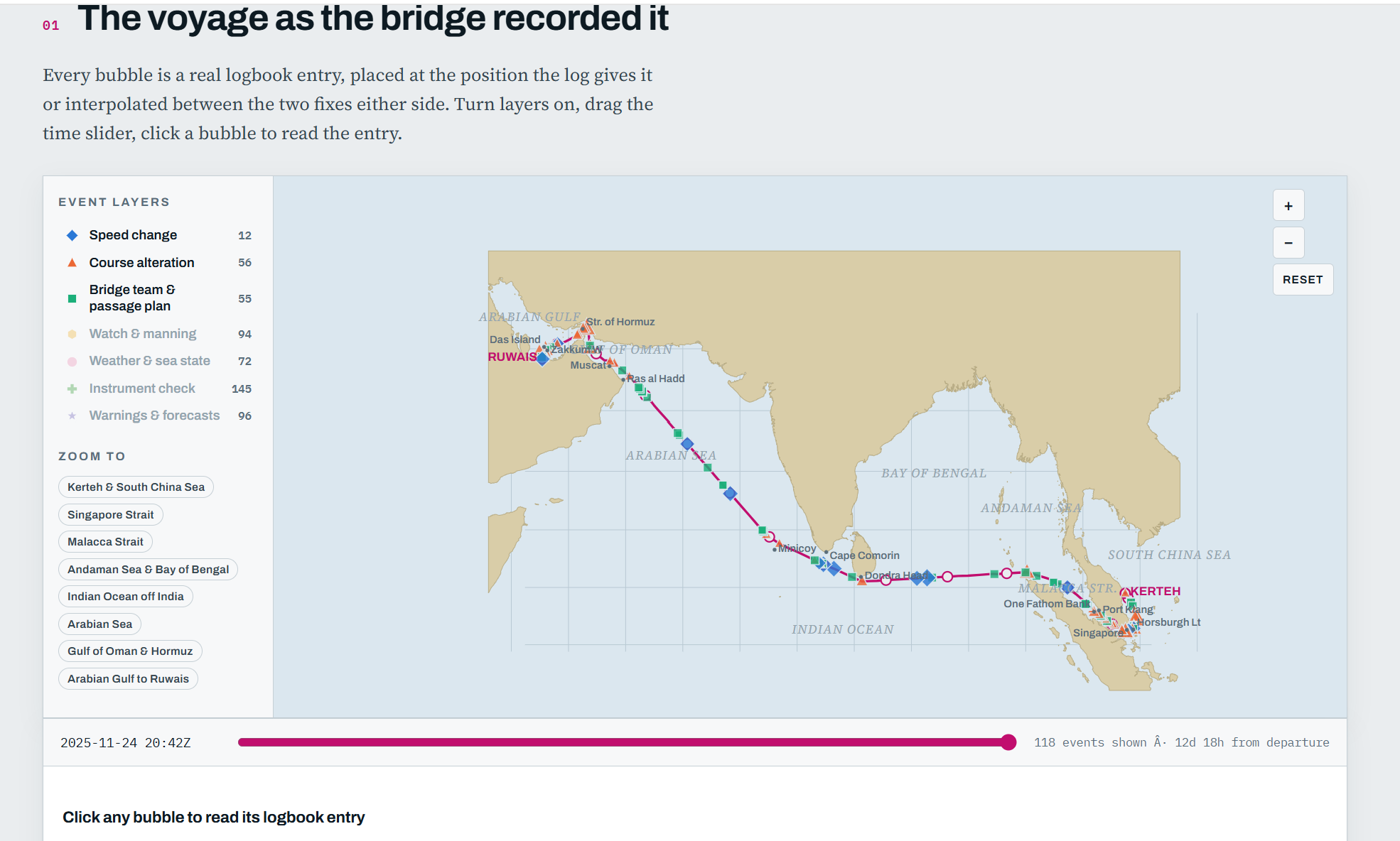
Extrapolate further and the destination is clear. Navigational data layers describe the world as surveyed. Nothing yet feeds back what thousands of ships observed while sailing through it. Digital logbooks are the obvious candidate - the same loop the hydrographic offices ran on quills and copperplate, rebuilt at fleet scale.

Where we stand today
This is not a forecast. Over 25 statutory record books are already running digitally on a single spine, where one entry populates every book that needs it and validation runs at entry.
At NAVTOR the same ecosystem integrates navigation, routeing and performance data. The operational picture, efficiency numbers and compliance evidence stop being three separate exercises.
Fleet reports that took a week take minutes. Superintendents audit from shore and arrive to inspect the ship, not paperwork. Missed entries surface ashore while the voyage is ongoing.
Moreover, as a fleet dataset expands, every voyage logged is one more the next can learn from. Companies that digitise in depth first will not simply be compliant sooner - they'll own the empirical record, and that is where the advantage compounds.
For more information, visit NAVTOR’s website.


