Ship Simulators
A ship simulator is an advanced training device; an electronic or mechanical system used to expose vessel operators and crew members to typical shipboard conditions and systems. Simulation training is not a substitute for the experience of training on an actual vessel, but is used as a preliminary method to thoroughly familiarize students with equipment, procedures, and processes. Simulation also is useful for review and for demonstrating updates and modifications to existing craft.

Liberia Opens Maritime Training Institute
The Liberia Maritime Training Institute (LMTI) was officially opened by Liberia President…

Wallem Adds Three Ship Simulators in Ukraine
The Wallem Maritime Training Center in Odessa, Ukraine added three training simulators…

PC Maritime to Install ECDIS in 50-vessel China Shipping Deal
PC Maritime’s Navmaster ECDIS has been chosen by China Shipping Group to be fitted…
MSI to Train NOAA Officers
Maritime Simulation Institute to Provide Professional Maritime Training to NOAA Officers…
HR Wallingford Sign Navigation Simulator Agreement with FMSC
HR Wallingford has recently signed an alliance agreement with Fremantle Maritime…
Cal Maritime Will Host 2012 Koch Sea Scout Cup
The California Maritime Academy (Cal Maritime), a campus of The California State University…
Panama Canal Authority Opens Simulator Center
In commemoration of the Panama Canal’s 88th Anniversary on August 15th, Panama President…
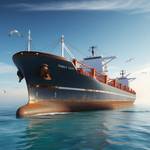
Tanker ships are an important component of the maritime sector, and they transport liquid cargoes around the world. These vessels are vital to the supply chain for energy, chemicals and other essential commodities. There are many types of tankers, each designed for specific cargoes such as oil, LNG, chemicals, or other liquids.
Electronic devices classed for use in the marine environment. All electronics used onboard must be designed to fit in the small confines of a bridge and can come in contact with salt water, so they are made to be very water resistant or waterproof.

Container ships are vessels designed specifically to transport standardized containers. Container ships have revolutionized shipping, making it more cost-effective and efficient to transport goods across oceans.
Naval architecture is the field of engineering which deals with the design, construction and repair of ships, boats, and other marine vehicles. Ship and vessel design relies on many of the same technologies and engineering expertise found on shore…
Pods are devices which combine both propulsive and steering functions in one device. They are usually located below the stern of a ship, making use of the following internal components: a fix pitch propeller, shaft, thrust and support bearings…




