

Monitoring for Efficiency, Safety
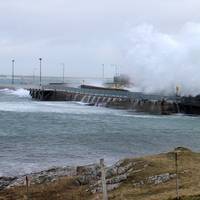
Ferry masters operating off the west coast of Scotland traditionally would have to sail to a port and on arrival visually assess the weather and tide conditions before deciding whether it was safe to berth alongside the pier or quayside: a process which wasted time and fuel, and frustrating the paying passengers. The berthing of ferries is a high skill job, particularly during bad weather, and the decision on whether a specific ferry can safely berth at a specific port is subjective and ultimately can only be taken by the ferry Master…
New Monitoring Network for Scottish Ports
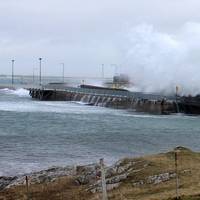
Historically, ferry masters operating off the west coast of Scotland would have to sail to a port and on arrival visually assess the weather and tide conditions before deciding whether safe berthing alongside the pier or quayside would be possible. This wastes time and fuel, and can causes frustration among passengers, who may see ferries come close to a port, but thereafter depart without berthing when conditions are determined by the ferry Master to be unsafe. These ferries provide a lifeline service to the islands, so the reliability of ferry services is important.