

Bryan Steps in as Interferry’s Interim CEO
Darrell Bryan, formerly president and CEO of Victoria Clipper, has started work as interim CEO of Interferry following the retirement of Len Roueche. The Interferry board of directors named Bryan for the role – effective from April 1 - late last year pending the appointment of a permanent successor. Roueche, who has retired after 14 years as CEO, led the organization’s evolution from the International Marine Transit Association (IMTA) to Interferry, the leading international association for ferry operators and industry suppliers. Interferry chairman Mike Grainger commented, “We thank Len for his long commitment to our organization and to the international ferry community.
FRS Acquires Clipper, Plans North American Expansion
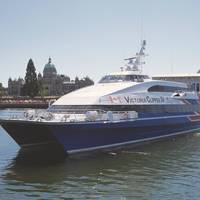
FRS has acquired a majority interest in Clipper. FRS is a global ferry and shipping group, currently operating 60 vessels in 12 countries, and carrier of more than 7 million passengers and 1.9 million vehicles last year on national and international ferry lines. Clipper, operator of Clipper Vacations, is a recognized company in the Pacific Northwest and Western Canada, offering unique regional travel experiences, including high speed Victoria Clipper ferry services from Seattle to Victoria, and Seattle to San Juan Island.
From Fire to Emissions, Ferry Debates Heat Up
Firefighting led a stream of topical debate at trade association Interferry’s 40th annual conference in Copenhagen last week – but not before a record 342 delegates came under fire from a leading Green politician claiming that ‘shipping is currently one of the unaddressed areas of air pollution’. Michael Cramer, German chair of the European Parliament’s transport and tourism committee, delivered a stinging opening address demanding that the ferry and shipping sectors become more environmentally sustainable. He said ‘most vessels are like hazardous waste incinerators because they burn heavy fuel oil which should be processed as highly toxic waste but is usually exhaled without sufficient filtering’.