Pod Propulsion
Pods are devices which combine both propulsive and steering functions in one device. They are usually located below the stern of a ship, making use of the following internal components: a fix pitch propeller, shaft, thrust and support bearings, brake, and shaft seals; exciter; AC motor (synchronous); bilge pump; and appropriate monitoring and control equipment. The steering unit uses slewing gears and is located in the hull above the pod itself. Lubrication equipment and ventilation/cooling units are usually located externally, as sub systems. Propulsion pods are not a new product, but a new configuration of traditional marine systems and components.
As yet, studies have not shown whether pods are more efficient than conventional shaft lines. There has been much research on the subject, but most studies have been aimed at a specific aspect of pod performance instead of an overall efficiency review. Several advantages have been attributed to pod propulsion systems, such as: reduced emissions, lower noise and vibration levels and emissions; improved steering maneuvering, and braking capabilities. The reduced number of component parts also allows for more flexibility in arranging system machinery, more efficient construction and improved shipyard logistics. On the opposite end of the argument, pods require a greater capital investment, have a 30MW power limitation (per screw), and have been known to suffer losses in power due to electric propulsion.

ZF Marine Debuts 4600 POD Propulsion System
Marine driveline specialist ZF announced it will premier its new 4600 POD Propulsion…

Superyacht ARTEFACT: A real “arte factum”
NOBISKRUG’s Project 790 is one of the first yachts built under the new strict IMO…

Shipbuilding: Inland Towing Thunderstruck
Eastern Shipbuilding offers the 4,200 hp Thunderbolt inland towboat designed around…

Thunderbolt: Eastern Delivers Innovative Towboat
Eastern Shipbuilding Group, Inc. introduced its new 120-ft., 4,200-hp Inland Towboat design…
Eastern Debuts ‘Thunderbolt’ Towboat
Eastern Shipbuilding Group, Inc. introduced its new 120-foot, 4,200-horsepower Inland…

Azipods Earn US$180-Million for ABB in 2013
Pod propulsion system Azipod® was the propulsion system of choice for 6 new cruise liners in 2013…

Caterpillar Set to Showcase New Pod Propulsion Engine
Caterpillar Marine say they will unveil a significant product milestone at the 2013…

ZF Marine’s New Single POD Propulsion System
ZF Marine LLC, the North American division of the global ZF Marine Group, introduced…

Air Supported Monohull with Pod Propulsion
Effect Ships International AS, Sandefjord, Norway has just launched their first Air…
Royal Caribbean, Rolls-Royce Pod Settlement
Royal Caribbean Cruises Ltd. (NYSE, OSE: RCL) and Rolls-Royce announced that they…
STX Europe, New Order from French Navy
STX Europe has, through its subsidiary STX France Cruise SA, signed a contract to…
Siemens Equips Ships for Australia's Navy
Siemens Marine Solutions has been commissioned by the Spanish shipyard Navantia S.A.
The vast, open oceans have long served as conduits for commerce, adventure, and exploration. However, along with the grandeur of maritime activities comes inherent risks, one of which is the specter of armed robbery at sea. Also known broadly as maritime piracy, this menacing threat envelops not just the economic marine highway but also the lives and safety of those who navigate it.
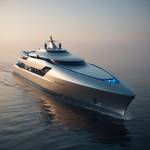
The maritime industry is on the brink of a revolutionary transformation with the advent of autonomous ships. These vessels, capable of operating without human intervention, represent a significant leap forward in technology, promising to reshape the future of global shipping. Autonomous ships, also known as unmanned vessels, are designed to navigate and perform various operational tasks using advanced sensors, artificial intelligence (AI), and communication systems. This innovation is set to enhance efficiency, safety, and sustainability in the maritime sector.
Maritime Security is a term which applies to a large variety of technology, devices, and operations both on deck and on shore. It can mean the simple measures used by boat owners and operators to protect individuals, vessels, and cargo from theft, sabotage, or piracy.
Marine salvage is the process of rescuing a ship, its cargo, or other property from peril. Salvage encompasses rescue towing, putting out fires, patching or repairing a ship, refloating a sunken or grounded vessel, moving a disabled vessel in order to clear navigation channels…
The Horn of Africa, strategically positioned at the nexus of global trade routes, has long faced the specter of maritime piracy. The waters off Somalia, in particular, have been notorious for piracy incidents that have disrupted international shipping, imperiled seafarers, and prompted multinational military responses. This region's unique combination of socio-economic, political, and geographic factors has engendered a breeding ground for modern piracy, posing complex challenges for the international community