Brazil Grain Barges Return as Amazon Drought Eases
Transportation of soybeans and corn on barges along the Brazilian Amazon's Tapajos River, which had been suspended in early October due to dry weather, resumed at 50% capacity this week, operators said on Wednesday.Shipping began again on that waterway, which receives grain cargos from Brazil's biggest farm state Mato Grosso and nearby areas, as rain raised river levels, said Amport, an association representing port terminals and cargo transshipment operators of the Amazon basin.Barge shipping on the Madeira River, another Amazon waterway, returned to normal this week, Amport said. Grain transportation on the Madeira had been halted in September…
Drought Blocks Shipping in Northern Brazil Grains Corridor
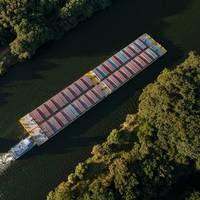
Brazilian port terminal group Amport said on Thursday that grains transport through the Tapajos waterway has come to a halt as a severe drought hit northern Brazil and lowered the river's water levels.Tapajos, which links Brazil's central and north regions, is a key corridor to transport grains from agricultural heartlands in states, including Mato Grosso, Brazil's top soy producer, to ports in the Amazon region.Amport, which represents firms such as Cargill and Louis Dreyfus, told Reuters that navigation of barge convoys carrying grains in the Tapajos has been halted since last Friday, and is
Congestion Plagues Brazilian Ports
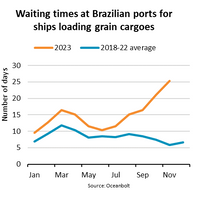
Brazil is the world’s largest grain exporter, accounting for 24% of the world’s exports in 2022, and congestion has surged this year due to large harvests and low water levels in the Amazon River.“Congestion for ships loading grain cargoes at Brazilian ports has surged this year due to large harvests and low water levels in the Amazon River. Between January and November, the average waiting time reached 15 days, up from nine days average between 2018 and 2022 and well above the global average of five days for grain loadings in 2023…
Amazon Drought Chokes River Traffic, Threatens Exports
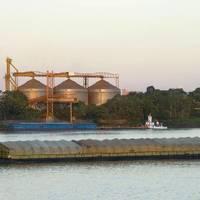
A severe drought choking major rivers in the Amazon rainforest has disrupted ship traffic near the region's biggest city and pushed up costs for northern shipping routes, raising risks for corn exports in coming months.The unusual heat and dryness, linked to the mass deaths of fish and river dolphins, has already limited local communities'access to food and drinking water, leading the federal government to set up a humanitarian task force. Officials are now warning the thinning rivers could disrupt grains exports in the region."There is concern about shipping part of the corn harvest…
Brazil's Slow Soybean Harvest Widens US Export Window

Harvesting delays in Brazil, the world’s top soybean producer, are prompting buyers led by China to rely on rival exporter the United States for longer than usual in 2021, according to government data and traders.Sustained demand for U.S. soybeans is accelerating an historic drawdown of U.S. supplies of the oilseed and could further drive up soybean prices at a time of rising food inflation as countries hoard staples during the pandemic.Concerns over tight global soybean supplies after China dramatically increased purchases in recent months ignited a 4.5% U.S.
Brazil on a Grain Exporting Spree
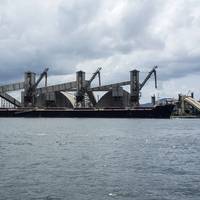
Brazil is expected to export 11.9 million tonnes of soybeans in June, a 37% rise from the same month last year, as Chinese demand remains strong and ports operate normally amid the COVID-19 pandemic, industry group Anec said on Tuesday.Exports of corn from Brazil are seen at 774,850 tonnes in the month based on shipping data, Anec said in a report.Anec also raised its annual export projection for 2020 to 78 million tonnes of soybeans, up from a prediction of 73 million tonnes in April.Brazil’s July soy exports are predicted to be 7.25 million tonnes while corn sales abroad are estimated at 3.9
Demand for Brazil Grains Rise as Argentine River Shipments Hit Snag
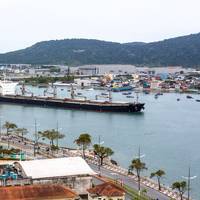
Global demand for Brazilian grains is growing as Argentina and Paraguay struggle with low water levels in a key river for agricultural shipments that is preventing ships from being fully loaded, a Brazilian trading company told Reuters on Thursday.Chief Executive Frederico Humberg of trading firm AgriBrasil said the company has sold three shipments of Brazilian corn where the buyer had initially sought to buy from Argentina."The buyer had purchased in Argentina, but ended up reverting to Brazil," Humberg said.Humberg said he knew of 10 shipments in total between AgriBrasil and other suppliers
Iran Grain Ships Stranded in Brazil due to U.S. Sanctions
Two Iranian vessels have been stranded for weeks at Brazilian ports, unable to head back to Iran due to lack of fuel, which state-run oil firm Petrobras refuses to sell them due to sanctions imposed by the United States.The vessels Bavand and Termeh came to Brazil a couple months ago carrying urea, a petrochemical product used as fertilizer. They were expected to load corn and return to Iran, but lacked enough fuel for the trip, the port operator in Paranaguá told Reuters.Food is not covered by U.S. sanctions, and Iran is one of the largest buyers of Brazil's agricultural commodities, importing more than 2.5 million tonnes of Brazilian corn so far this year — more than any other country.However, that trade is not usually carried by ships flying the Iranian flag.
Weak Currency, Global Trade Jitters Bolster Brazil Soy Exports

Brazil's soybean exports hit record volumes last month, grain exporter association Anec said on Thursday, citing a weak domestic currency and trade tensions between the United States and China for bolstering business for local farmers.Brazil's April soybean exports reached 11.63 million tonnes, about 1 million tonnes more than the same month last year, Anec said in a report."Evidently, with the strength of the dollar, the producer will free up more beans for export," Sérgio Mendes, head of Anec, said in a telephone interview.
Atlas Elektronik New Subsidiary in Korea
The Atlas Elektronik Group continues on its course of expansion: The Germany based company sets up the subsidiary Atlas Naval Engineering Company (ANEC) in Yangsan City, Republic of Korea. ANEC will be a design and development partner for the Korean Agency for Defence Development (ADD) and the Ministry of Defence. By establishing its subsidiary ATLAS intends to intensify its relationship with the Korean Navy and will also enhance its presence on the Korean market and towards its customers. ANEC’s main tasks are the technical services, program management, marketing and sales, engineering support and In-Service-Support of existing Atlas systems in Korea.