

New Grain Load Record at Port of Thunder Bay
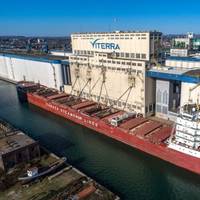
Canada Steamship Lines (CSL) set a new record at the Viterra terminal in the Port of Thunder Bay yesterday, when it loaded 31,362 metric tonnes of grain on CSL Welland, breaking the previous record of 31,143 metric tonnes. The cargo of wheat will be discharged in Montreal, destined for international markets.“I commend Captain Rowe and his crew, the Viterra team, the Port of Thunder Bay, as well as our CSL teams on the ground who contributed to this achievement,” said Louis Martel, CSL President and CEO.
Grain Shipments via St. Lawrence Seaway Climb
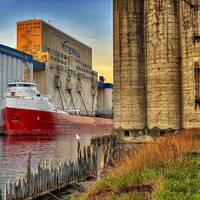
Canadian grain shipments through the Great Lakes-St. Lawrence Seaway trade corridor are up 20% in response to continuing world demand for wheat and canola, the latest figures show.Year-to-date shipments of grain (from April 1 to August 31) totaled 5.2 million tonnes, as ships transported Prairie wheat and canola and Ontario wheat and soybeans for both domestic use and for export to markets around the world.The rush of grain, which is carry over from last year’s crops, has helped to offset continuing pandemic-related declines in other key cargoes such as iron ore (down 23%)…
COVID-19 Weighs on Great Lakes-Seaway Shipping
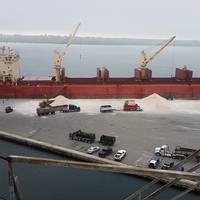
While St. Lawrence Seaway cargo volumes decreased during the past two months due to economic shifts related to COVID-19, industry leaders said the binational trade and transportation corridor is ready to play its part in the economic recovery efforts in the coming months. Meanwhile, with an increased focus on commodity diversification through project cargo, international shipments of wind energy components in the Great Lakes region are taking off.Overall St. Lawrence Seaway tonnage from March 15 through May 31 totaled 7.7 million metric tons, down 10% compared to the same time period in 2019.
USCG Begins Icebreaking in the Western Great Lakes
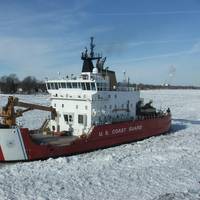
U.S. Coast Guard Sector Sault Sainte Marie has commenced icebreaking Operation Taconite in response to expanded ice growth in the commercial ports of western Lake Superior and the lower St. Marys River. Before ice impedes commercial navigation, icebreakers were assigned to each region. U.S. Coast Guard Cutter Alder was assigned to manage the ice breaking needs of western Lake Superior, specifically the twin ports of Duluth, Minn., and Superior, Wisc., as well as the Port of Thunder Bay, Ont. U.S. Coast Guard Cutter Biscayne Bay was assigned to the St. Marys River.
Canadian Fleets, Seaway Invest $160 Mln for 2017 Season
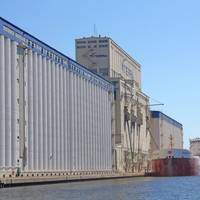
Canadian ship owners and the St. Lawrence Seaway have spent an estimated $160 million on repair and infrastructure projects this winter, boosting the economic fortunes of communities throughout the Great Lakes, the St. Lawrence and east coast, according to the Chamber of Marine Commerce. Canadian ship owners have invested an estimated $70 million to maintain and upgrade their vessels during the winter months — an annual exercise that keeps their vessels in tip-top shape to safely and efficiently deliver goods for North American businesses. The St.
Seaway Records Longest Navigation Season
After opening the 2016 season on March 21, the St. Lawrence Seaway closed on December 31, enjoying a navigation season of 286 days. This performance ties the record first established in 2008 and matched in 2013 for the longest navigation season. The St. Lawrence Seaway Management Corporation recorded a total of 35 million tonnes of cargo transiting the Seaway’s locks in 2016. Grain movements posted a strong performance for a third consecutive season, contributing 11 million tonnes of the total and continuing to track well above the five-year average. The Port of Thunder Bay, the principal point of entry for grain into the Great Lakes St. Lawrence Seaway System, reported a late-season surge in grain activity, as loadings in December trumped all previous December activity since 1995.
US, Canadian Coast Guards Leaders Discuss Partnership

Rear Adm. June E. Ryan, commander of the U.S. Coast Guard Ninth District, was welcomed aboard the Canadian Coast Guard Ship Samuel Risley by Assistant Commissioner Julie Gascon and Captain Signe Gotfredsen of the Canadian Coast Guard, Central and Arctic Region Monday. After a relatively mild winter on the Great Lakes escorting ships through ice and preventing ice jams, the Samuel Risley was upbound through the Soo Locks and the St. Marys River to Lake Superior for further icebreaking at the Port of Thunder Bay and buoy-tending duties.
St. Lawrence Seaway Wraps Up Navigation Season

With water temperatures well above the 10-year average, the St. Lawrence Seaway closed its 2015 navigation season ice free on December 31. Thirty-six million metric tons of cargo transited the waterway during the season, with grain, at volumes well above the five-year average, leading the way. The Seaway once again proved to be a key asset for farmers as they shipped their crops to markets at home and overseas. Grain volumes on the Seaway amounted to 10.8 million metric tons, one of the strongest years in recent memory.
Busy Season for Seaway
Grain shipments through the St. Lawrence Seaway are up 7 per cent this season, continuing the pace set last year when ships carried the largest volume of grain through the navigation system in 14 years. According to The St. Lawrence Seaway Management Corporation, grain shipments (including Canadian and U.S. grain) totaled 1.9 million metric tons from April 2 to May 31. The Port of Thunder Bay, the largest grain port on the Great Lakes, reported that its grain shipments were off to the strongest start this season since 1997, as the major handlers continue to export the harvest from 2014. So far this season, Algoma Central Corporation’s ships have carried 50 per cent more grain, mainly from Thunder Bay to Quebec for transshipment overseas.
Grain Company to Buy Canadian Crop Terminal
Canadian grain marketer CWB said on Monday it has agreed to buy Great Sandhills Terminal Ltd, a farmer-owned 20,000-tonne grain handling facility in Leader, Saskatchewan, for $16.3 million. The deal, subject to regulatory and shareholder approvals, is expected to close by Sept. 1. It also includes a majority stake in a short-line railway in Saskatchewan. CWB did not release further financial details. CWB, which was previously known as the Canadian Wheat Board, has made several deals to piece together a grain-handling network in the past year as it moves toward operating outside of government control. Ottawa stripped the board of its western wheat and barley marketing monopoly in 2012 and agreed to guarantee CWB's borrowings until it is sold or develops a plan to be self-sustaining by 2016.
Algoma Central Chief Challenges Marine Industry
During the annual Marine Club Dinner, Peter Cresswell, president and CEO of Algoma Central Corp., told 1,200 shipping and marine industry executives the future of the Great Lakes-St. Lawrence Waterway is in peril. "Deregulation in both the rail and trucking industries, and U.S. subsidies favoring the Mississippi marine route, have threatened the economic viability of this transportation wonder," Cresswell said. Excessive user fees, over-regulation and duplication were also cited by Cresswell as significant causes of the waterway's competitive frailty. According to Cresswell, regulators need to instead foster a competitive transportation environment where "rail competes with water and water can compete with rail.
Algoma Central Chief Challenges Marine Industry
During the annual Marine Club Dinner, Peter Cresswell, president and CEO of Algoma Central Corp., told 1,200 shipping and marine industry executives the future of the Great Lakes-St. Lawrence Waterway is in peril. "Deregulation in both the rail and trucking industries, and U.S. subsidies favoring the Mississippi marine route, have threatened the economic viability of this transportation wonder," Cresswell said. Excessive user fees, over-regulation and duplication were also cited by Cresswell as significant causes of the waterway's competitive frailty. According to Cresswell, regulators need to instead foster a competitive transportation environment where "rail competes with water and water can compete with rail.