Short-Term Tanker Market Shaken Up by Geopolitics

McQuilling Services has released its 29th anniversary edition, 2026-2030 Tanker Market Outlook with the theme: “You Can’t See the Forest for the Trees.”The report frames the outlook for crude tankers over the next five years. Structural forces (the “forest”) including: 1) macroeconomic conditions, 2) a weakening US dollar, 3) a commodity price super cycle, 4) emerging market oil demand, and 5) global shipyard capacity constraints are expected to dominate market direction. Geopolitical…
Carney Changes Climate Requirements in Energy Deal with Alberta

Canada's Prime Minister Mark Carney signed an agreement with Alberta's premier on Thursday that rolls back certain climate rules to spur investment in energy production, while encouraging construction of a new oil pipeline to the West Coast.Under the agreement, the federal government will scrap a planned emissions cap on the oil and gas sector and drop rules on clean electricity in exchange for a commitment by Canada's top oil-producing province to strengthen industrial carbon…
Tariffs Keep Energy Industry on Edge
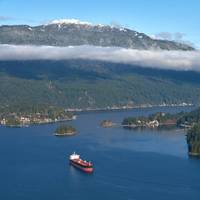
Over the last six weeks, U.S. President Trump has imposed and postponed tariffs on Canada and Mexico several times. The current situation seems to reflect something of a compromise, says Poten & Partners in an opinion released on March 7.Tariffs are in place, but they will not apply to goods covered by the North American trade agreement known as USMCA. Crude oil and refined products are covered under the USMCA, so provided the energy companies file the appropriate paperwork, they…
Canada Crude Tanker Exports Up 59%
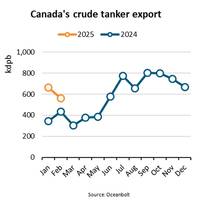
“Year-to-date, Canadian crude tanker exports have reached 618 thousand barrels per day (kbpd) up from 388 kbpd during the same period last year, an increase of 59%,” says Niels Rasmussen, Chief Shipping Analyst at BIMCO.When the Trans Mountain Pipeline extension opened on 1 May 2024 its capacity grew from 300 kbpd to 890 kbpd. Consequently, exports from Vancouver increased significantly starting in June.So far this year, the Vancouver exports have reached 373 kbpd to contribute 60% of total Canadian crude tanker exports.
Trump's Tariffs a Boost for European and Asian Refiners

U.S. President Donald Trump's trade tariffs on Canadian and Mexican oil imports will offer European and Asian refineries a competitive advantage against their U.S. rivals, analysts and market participants told Reuters.Trump on Saturday ordered 25% tariffs on Canadian and Mexican imports and 10% on goods from China starting on Tuesday to address a national emergency over fentanyl and illegal aliens entering the U.S., White House officials said. Energy products from Canada will have only a 10% duty…
Canadian, WTI Crude Prices to Asia Jump
Prices of Canadian and U.S. West Texas Intermediate crude oil to Asia jumped after shipping costs rallied on concerns that wider U.S. sanctions on the Russian fleet are tightening ship availability, trade sources said on Tuesday.Asian refiners face a margin squeeze as their costs of crude and shipping have spiked since Washington earlier this month imposed sweeping new sanctions targeting Russian insurers, tankers and oil producers.Discounts for Canadian crude exported via the Trans Mountain pipeline (TMX) and delivered to China in April have narrowed $1-$2 a barrel from the previous month…
New Sanctions Expected to Have Severe Consequences for Russia
Chinese and Indian refiners will source more oil from the Middle East, Africa and the Americas, boosting prices and freight costs, as new U.S. sanctions on Russian producers and ships curb supplies to Moscow's top customers, traders and analysts said.The U.S. Treasury on Friday imposed sanctions on Russian oil producers Gazprom Neft and Surgutneftegas, as well as 183 vessels that have shipped Russian oil, targeting the revenues Moscow has used to fund its war with Ukraine.Many…
US Crude Imports Touch Two-year High Despite Lukewarm Demand
U.S. crude oil imports last month rose to a nearly two-year high as refiners scooped up heavy crudes from Canada and Latin America to process into fuels for summer driving season.Imports of crude oil rose to 3.1 million barrels per day (bpd) in May, the highest since July 2022, data from ship tracking service Kpler showed. Imports so far this month have remained strong, at around 2.9 million bpd to date.Fuel demand has remained tepid with product supplied for gasoline at 9.1 million bpd in the week to June 14, slightly below the 10-year seasonal average, data from the U.S.
Trans Mountain Pipeline to load 22 Tankers in Vancouver
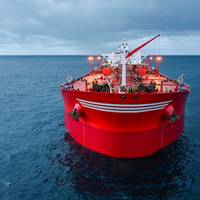
Twenty-two oil tankers are scheduled to load this month in Vancouver with crude from the expanded Trans Mountain pipeline, which is running around 80% full with a "little bit" of spot capacity also being used, a Trans Mountain executive said on Wednesday.Speaking with Reuters six weeks after the C$34.2 billion ($24.94 billion) project started commercial operations, Trans Mountain Corp's chief financial and strategy officer Mark Maki said so far the system is operating as expected and final costs for the expansion are not expected to rise significantly.The Trans Mountain expansion…
U.S. Gulf Coast Imports of Straight-Run Fuel Oil at Record
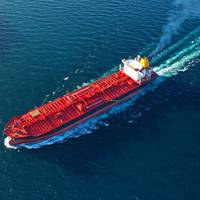
Imports of straight-run fuel oil (SRFO) to the U.S Gulf Coast were set to climb to record levels this month as Mideast and African suppliers ramped up exports and U.S. refiners scrambled for heavy feedstocks, according to data from ship tracker Kpler.The increased imports of SRFO, a feedstock processed through secondary refining units and turned into products like gasoline and diesel, have helped fill a gap in heavy crude availability facing U.S. refiners.Supplies of heavy crude tightened after Mexico curtailed oil exports…
Port Constraints for Canada's Trans Mountain Pipeline May Crimp Oil Exports
Logistical constraints at the Port of Vancouver mean waterborne oil exports from the highly anticipated Trans Mountain pipeline expansion due to start up on Wednesday may only be around half what the Canadian government-owned corporation has forecast, traders and shipping sources said.The C$34 billion ($24.82 billion) project to nearly triple the flow of crude from Alberta to Canada's Pacific Coast to 890,000 barrels per day is scheduled to start operating on May 1 after years of regulatory delays and construction setbacks.The extra 590…
Trans Mountain Expects First Ship to Load from Expanded Pipeline in May

The first tanker carrying crude from the expanded Trans Mountain pipeline is expected to load at the Port of Vancouver in the second half of May, the company building the project said on Tuesday.The expanded pipeline, which will carry an extra 600,000 barrels per day of oil from Alberta to Canada's Pacific coast, will begin transporting crude on May 1 with final line fill completed in early May, Trans Mountain Corp said in an email.(Reuters - Reporting by Nia Williams in British Columbia; editing by Jonathan Oatis)
Shipping Companies Turn to Longer-Term Leases as Tanker Supply Tightens
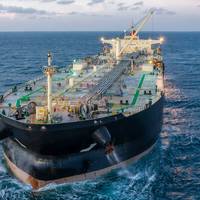
Rising oil tanker chartering rates due to global shipping disruption are forcing oil shippers to take on longer-term shipping charters, executives said this week at an energy conference in Houston.The global oil tanker fleet must now travel further to get crude to refineries and fuel to consumers. European sanctions have forced Russian exporters to send oil to Asia that would have otherwise gone to Europe. Attacks on vessels in the Red Sea have forced some shippers to sail around…
KOTUG Canada Bags Charters for Three Vessels
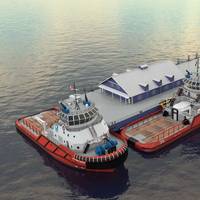
Marine services and towage firm KOTUG Canada Inc., a partnership between KOTUG International and Canada’s Horizon Maritime Inc., has won a long-term agreement with Trans Mountain, operator of Canada’s only oil pipeline servicing the West Coast of Canada providing tidewater access to foreign markets for Canada’s petroleum resources. KOTUG Canada will provide escort towage to tankers loaded at Westridge Marine Terminal. "KOTUG Canada was selected for this purpose by shippers on the Trans Mountain Pipeline after a rigorous and competitive process facilitated by Trans Mountain.
Alberta Oil Shipped Through Panama Canal to Atlantic Canada
On July 20, the tanker Cabo de Hornos delivered an estimated 450,000 barrels of crude oil to the Irving Oil refinery’s Canaport storage facilities in Saint John, N.B.What made Cabo de Hornos’s delivery different was that it was the first time crude oil had arrived in Saint John by ship from Alberta. It came via the Trans Mountain pipeline to the Westbridge Marine Terminal in Burnaby, B.C., and then through the Panama Canal.By the end of April next year, a second tanker will arrive at Canaport carrying 350,000 to one million barrels of Western Canadian crude oil. In this case, the oil will have come via pipeline from Alberta to a crude oil exporting terminal in Texas or Louisiana.For most of the Saint John refinery’s 50 years of operation…
Canada Oil Sands Asia Export Dream Faces Port Bottleneck
The bullish view for Suncor Energy Inc (SU.TO), Cenovus Energy Inc (CVE.TO) and other Canadian energy producers calls for Prime Minister Justin Trudeau by next month to approve a major pipeline expansion to the west coast, boosting sales of land-locked oil sands crude to Asia. But a growing number of shipping brokers and physical oil traders warn that any new influx of oil will hit a bottleneck in Vancouver, because of the port's inability to accept the megaships that dominate oil trade globally. This bottleneck marks one of the more under appreciated hurdles facing Canadian oil sands crude being shipped from its busiest port of Vancouver, these shipping brokers say. Middle Eastern producers already ship oil ship to Asia far more cheaply, thanks to the bigger vessels they employ. And U.S.
Canada Oil Spill Program Hit by Cheap Crude
The two-year oil price crash has hurt a Canadian government program that funds research on oil spill cleanups, resulting in fewer applicants than expected, a senior federal official said. As a result, the government will expand the scope of its Oil Spill Response Science Program and open a second call for applications this month, Marc Wickham, Natural Resources Canada's director of energy science and technology programs, said in an interview late last week. The program funds research that improves cleanup methods for marine oil spills. Those eligible include production, pipeline and shipping companies in the energy sector. Wickham spoke with Reuters after it obtained details of the program's amendment through an access-to-information request.
British Columbia: Oil Spill Response shows Unprepared for More Tankers
British Columbian officials on Friday criticized the Canadian government's response to an oil spill in the waters around Vancouver, calling into question plans for new crude oil export pipelines in the Pacific Coast province. Nearly 3,000 liters of oil spilled after an anchored bulk carrier began leaking bunker fuel in English Bay, just west of Vancouver's downtown core, on Wednesday. Officials in the province said the coast guard responded but was slow to contain the slick, which spread towards beaches. They said the federal agency failed to notify the cities of Vancouver and West Vancouver until early Thursday, delaying public safety warnings by more than 12 hours. "It took them six hours to get booms in place ...
Canadian Pipeline Expansion Continues
Kinder Morgan Energy Partners said on Friday that crews have resumed survey work related to its Trans Mountain pipeline expansion project in the Vancouver suburb of Burnaby, even as Canadian police arrested more protesters at two work sites. Kinder Morgan said it was able to move its equipment onto Burnaby Mountain overnight and that crews would be working 24 hours a day for the next 10 to 12 days to complete drilling work required by regulators. The company, which hopes to nearly triple the capacity of the existing 300,000 barrel-per-day pipeline, plans to bore two holes deep into the mountain to test if it can run the expanded line under the conservation site, which is a popular hiking and picnic area for locals.
Canada Revamps Pipeline Safety Rules Ahead Of New Projects
Canada unveiled new rules on Wednesday to enhance pipeline safety and spill response, ahead of the development of new projects proposed to carry crude from Alberta's oil sands to coastal ports for export. The new legislation will give Canada's energy regulator, the National Energy Board (NEB), more power to enforce compliance on safety and the authority to step in to lead spill response if a company is unwilling or unable to do so. Companies will also now be held liable, up to C$1 billion ($917 million), for all spills or incidents on their lines, whether or not they are at-fault or negligent, putting the onus on owners to ensure safe operations.
Canada Seeks Tightened Marine Oil Spill Plan
Canada moved on Tuesday to strengthen its response plan for oil spills at sea ahead of the development of new pipelines that would sharply increase tanker traffic in Canadian waters if they are built. Among the new measures, the federal government said it would remove a per-incident liability cap on a domestic clean-up fund, which means that all the money in the fund could be made available to clean up a single spill. It also pledged to cover spill costs if clean-up funds were exhausted. It also said it will lift its ban on the use of dispersants in cases when using them offers a net environmental benefit. Dispersants are chemicals that break down oil slicks but can also harm marine life.
Keystone Backers Keep Their Faith In Embattled Pipeline Plan
Six years after applying to build the Keystone XL pipeline, Canada's frustrated oil industry appears steadfast in its support of the plan even though Washington has again delayed a decision on whether to approve the politically charged project. The reason is simple: A massive new pipeline to the U.S. Gulf Coast remains the most elegant solution for producers looking to export burgeoning supplies of crude from Canada's oil sands to the United States. TransCanada Corp's $5.4 billion pipeline would seamlessly pump enough crude from Alberta to Texas to meet 4 percent of total U.S. demand. "We're definitely supportive of the project," said Brad Bellows, a spokesman for MEG Energy Corp, which produces crude from Alberta's oil sands though it has not committed to ship on Keystone.