

Preparing for S-100: What Maritime Organizations Need to Do Now
GeoNavigation Technologies’ UNIFY™ helps organizations move from awareness to action, enabling practical, low-risk adoption of S-100
The transition to S-100 is already underway across the maritime industry. What was once a future consideration is now an operational reality for organizations across vessels, ports, and shore-based environments. The question is no longer if the maritime industry will need to adapt, but how quickly organizations can do so without disrupting operations.
S-100 introduces a universal way for maritime data to be structured, shared, visualized and used across systems. It enables more detailed information, better coordination, and stronger decision-making across operations. At the same time, it creates a very real challenge. Most existing navigation systems do not currently support S-100, creating a gap that organizations now need to address.
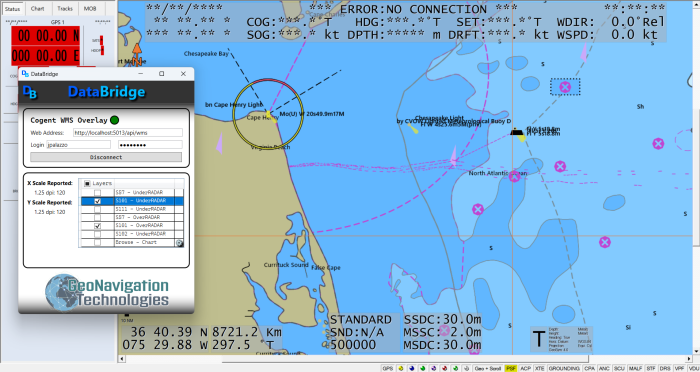
To navigate this transition effectively, maritime organizations should focus on the following actions:
1. Understand what S-100 changes
S-100 is not just a new format. It changes how data is delivered, stored, processed, updated, and used across systems. Organizations need a clear understanding of how these changes will impact operations, workflows, and decision-making environments.
2. Assess your current systems
Most legacy navigation and operational systems do not support S-100. Understanding where systems fall short is critical to determining what needs to change and what can remain in place.
3. Plan for integration, not replacement
Replacing entire systems is costly, disruptive, and often unnecessary. A more effective approach is to focus on how existing systems can be adapted to work with S-100 data without compromising current operations.
The solution: UNIFY™ enables new and existing systems to use S-100 data without replacement
GeoNavigation Technologies’ UNIFY™ provides a practical path to S-100 operability by enabling legacy and next-generation systems to use S-100 data today. Rather than requiring redevelopment or system replacement, UNIFY™ acts as a data integration layer that translates and delivers S-100 information into existing environments.
In practical terms, UNIFY™ allows organizations to:
- Enable legacy systems to use S-100 data without costly redevelopment
- Support both S-57 and S-100 data simultaneously (Dual Fuel Mode)
- Reduce fragmentation across navigation and operational systems
- Deliver consistent, reliable data across multiple applications and teams
- Accelerate S-100 readiness without disrupting current operations
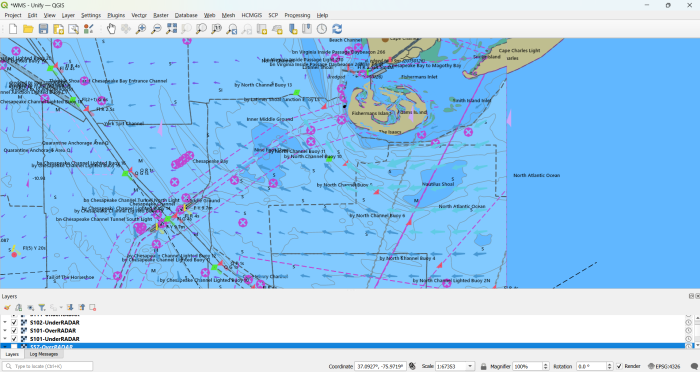
By removing the need for internal redevelopment, UNIFY™ significantly reduces the time, cost, and risk associated with S-100 adoption. Organizations can continue using the systems they trust while gaining access to the next generation of maritime data.
Designed to support both civil and military maritime environments, UNIFY™ integrates across key systems including ECDIS, IBS, VTS, command and control platforms, unmanned systems, and hydrographic organizations. This flexibility allows organizations to modernize in place while maintaining continuity across mission-critical operations.
The transition to S-100 is not optional. Organizations that act now will be better positioned to manage risk, control costs, and maintain operational continuity as the industry evolves.
Learn more about UNIFY™ at GeoNavigation Technologies.


