U.S. Shipbuilding Realities and the SL7EXPO


Once again U.S. shipbuilding, or rather the lack thereof, has raised its head. There are those who say that U.S. shipbuilding is a train that has left the station (yes, a purposefully odd but correct metaphor), while others are hoping for a new dawn of U.S. shipbuilding dominance.
I know it can be done, but only if there is steel-eyed realism and an iron will to do it.
I also know that magazine editors hate lists, but I am going to irritate Greg by doing just that: creating a list of realities surrounding the proposed resurgence of U.S. shipbuilding.
- The maritime industry deserves government focus and support. It is a huge and deeply underappreciated economic driver. Shipbuilding is one part of the game, and for the U.S. it is also an important existential issue with regard to defense capabilities.
- The cost of ships is strongly related to the time it takes to build them. A ship that takes six months to build will cost only a fraction of a ship that takes two years to build. It is not a linear connection since the cost of materials does not change much, but it is strikingly powerful. Speed up production and the price drops.
- Don’t overfocus on other countries. Why? They are using today’s technologies; only tomorrow’s technologies can drastically change the game. For example, large commercial vessel construction is heavily reliant on welders. While foreign builders use robotic welders, if a ship can be built with just robotic welders this makes shipbuilding in the U.S. more viable. Improved robotic design can accomplish this, but so can improved ship construction design that facilitates increased use of robotics.
- Don’t get hung up on the numbers. Despite the numbers that are being thrown around with regard to the amount of ship construction in other countries, the U.S. is a potent shipbuilder. It simply doesn’t build a lot of large steel ocean going ships. In certain shipbuilding categories the U.S. is reasonably competitive, generally on smaller, high-tech vessels produced in series.
- Commercial series production, over extended periods of time, is THE magic bullet. It reduces costs, eases production efficiency investment, reduces supply chain costs and produces work force stability.
- One Design, One Yard + Subsidies. There are many types of ships that can be built in large series and can benefit the country’s trade. Some are large ocean going vessels for defense logistics, some are aluminum catamaran research vessels, others may be short-haul feeder container vessels, or intra-port micro cargo vessels. Pick a selection of vessels, but don’t distribute construction of one design between different yards. The best bidder gets the entire series. One design, one yard, and see the subsidy comments below.
- It’s Electric. While we are at it, let’s nail down the whole carbon conundrum and commit to U.S.-built electric drive in all U.S.-built vessels. As long as the shafts are turned by electric motors we can let the market and regulators figure out what supplies the electricity to the motors, whether it is coal, nuclear, methanol, ammonia IC, fuel cells, or magic mushrooms.
- The customer is NOT always right. In the U.S. the customer is generally King, but if you make the customer King in shipbuilding you cannot stay in business. Any small customer demanded modification in series production is a death knell.
- The next generation. Instead of making the customer King, it makes more sense to treat our young people like Kings. We have to reach out to young people and make it easy for them to enter the industry. This will require a lot of work, but it is probably the best investment we can make for our country, ourselves and our kids.
- Build the supply chain. A shipyard is for assembly. We need to build a rugged material and equipment supply chain. That is a chicken and egg issue and can only be accomplished when a huge investment is made in U.S. ship construction. This is not ‘hundreds of millions’ rather the investment needs to be in the tens of billions.
- In workforce development, the most efficient investment is social. You need people to understand and appreciate the industry before you can invest in hardware. Spend money on social programs first. Meanwhile any maritime job that requires drug testing and provides useless positives for marijuana use is an automatic non-starter. We need useful weed testing or young people will not sign on.
- Subsidies and trade protection. All of the above can increase shipbuilding viability in the U.S.. However, it still takes humans, and in the U.S., human workers tend to be more expensive, which means that the U.S. shipbuilding industry will always operate at an international disadvantage. This can be dealt with through some level of subsidy or trade protection, but this needs to be carefully applied. The subsidy needs to be tied to performance improvements in the industry over time. Simple construction cost differential subsidies will not work because humans will focus on maximizing subsidies and, like occurs in Navy shipbuilding, it will not increase production efficiencies. Be ruthless but predictable in the awarding and removing of subsidies. Think in terms of CAFE ratings and not in terms of farm subsidies.
Meanwhile, all of this needs to be explained to the public. Increases in Kings Point and state maritime academy funding cannot solve the problem.
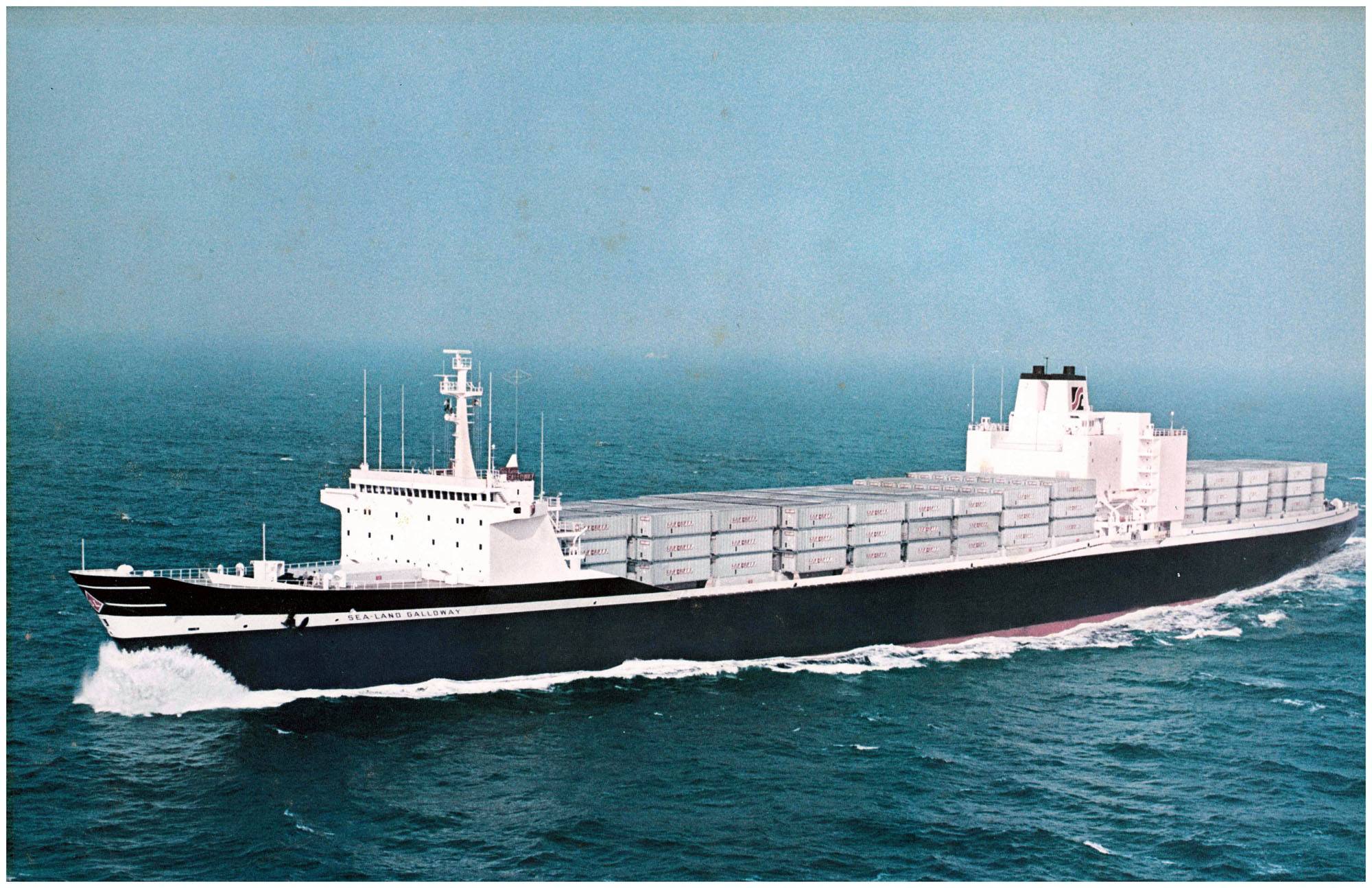
This needs to be a grassroots effort, an effort to bridge the light years between a young person in random locations around the country and their awareness of the maritime industry in general and the many educational and job opportunities within. We have a great opportunity to increase shipbuilding and maritime industry visibility by building national level exposition centers as suggested in the SL7EXPO effort; Let’s spend our money there first. It is cheaper than investing in hardware, and if we cannot find and attract the young people to fuel the industry’s future, why bother wasting money on hardware?
For every column I write, MREN has agreed to make a small contribution to an organization of my choice. For this column I select SL7EXPO.