

Study Highlights Ammonia Bunkering Potential of Australia’s Pilbara
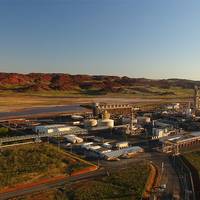
A feasibility study has highlighted the potential for using clean ammonia to refuel ships, particularly iron ore carriers, visiting the Pilbara region of Western Australia.The study, commissioned by Yara Clean Ammonia (Yara) and Pilbara Ports, was undertaken by Lloyd's Register, and looked at key areas including the estimated demand and likely availability of ammonia as a replacement shipping fuel. The potential risks and regulatory requirements for ammonia bunkering at the ports…
Port Hedland's Iron Ore Shipments to China Drop to Two-year Low
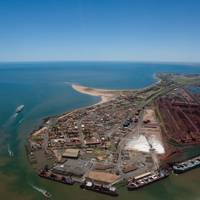
Benchmark Asian iron ore futures rose on Thursday as data showed monthly shipments of the steelmaking ingredient to China from Australia's Port Hedland dropped to the lowest in two years.Shipments from Port Hedland, the world's biggest iron ore export hub, totalled 30.73 million tonnes in February, when top steel producer China typically imports less due to the Lunar New Year holidays.That is the lowest since March 2019 and compares with 35.6 million tonnes in January and 33.3 million tonnes in February last year…
Iron Ore Shipments from Australia's Port Hedland to China Rise 16%
Iron ore shipments to China from Australia's Port Hedland rose by 16% in December from a month earlier, despite a short weather-related shutdown, the Pilbara Ports Authority said on Friday. Iron ore exports to China rose to 40.0 million tonnes from 34.44 million tonnes in November, data from the authority showed. Total iron ore exports from Port Hedland rose to 46.5 million tonnes from 41.61 million tonnes in November. Strong shipments from the world's largest iron ore export…
Australia Sends Troops to Help Contain Virus on Bulker
Australian defense personnel are being deployed to Port Hedland, one of the world’s largest iron ore loading ports, to help contain a coronavirus outbreak on a bulk carrier that last changed crews in the major seafaring city of Manila.Seventeen of the 21 crew from the Patricia Oldendorff carrier have tested positive for the virus, ship owner Oldendorff Carriers said in a statement.Ten of the infected crew members have been moved to hotel quarantine, and seven remain on board as part of a nine-person crew, authorities said.Oldendorff said the crew change on September 5 in Manila complied with all protocols.“All crew members tested negative for the virus before leaving the Philippines…
Port Hedland Iron Ore Shipments to China Up 10.6%
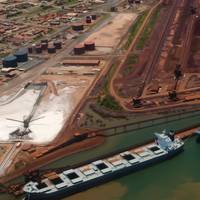
Australia's shipments of iron ore to China from the world's top export hub of Port Hedland jumped to 38.7 mln tonnes in April, data from the port authority showed on Friday.Shipments were up by 10.6% from a year earlier, although they shrank by 4.2% from March's figure of 40.43 million tonnes, the data showed.
Baltic Index Falls
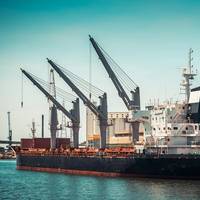
The Baltic Exchange's main sea freight index declined on Friday as lower rates for capesize and supramax segments offset gains in the panamax category.The Baltic index, which tracks rates for capesize, panamax and supramax vessels to ferry dry bulk commodities, dropped 16 points, or 3.7%, to 415.The main index has lost nearly 14.8% this week, its ninth consecutive week of decline.The capesize index fell 47 points to a negative 234, down for the 41st straight session.Average daily earnings for capesizes…
Port Hedland Sept Iron Ore liftings to China Dip
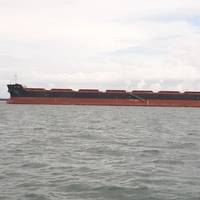
Iron ore shipments to China from Australia's Port Hedland terminal, the world's biggest iron ore port, fell more than 5% in September from a month earlier, port data showed on Tuesday.Shipments to China totalled 36.05 million tonnes in September, down from 38.14 million tonnes in August, the Pilbara Ports Authority said.Overall iron ore shipments totalled 41.97 million tonnes in September, down more 7% from 45.43 million tonnes in August.Port Hedland is used by three of Australia's top four iron ore miners: BHP Group, Fortescue Metals Group and Gina Rinehart's Roy Hill.Reporting by Colin Packh
Port Hedland Iron Ore Shipments to China Dip
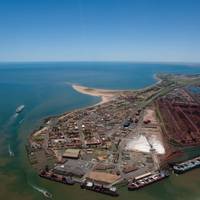
Iron ore shipments to China from Australia's Port Hedland terminal fell more than 8 percent in March from a month earlier, port data released on Friday showed.Iron ore shipments to China from the world's biggest iron ore port totaled 30.7 million tonnes in March, compared with February's 33.5 million metric tons, the Pilbara Ports Authority said.Port Hedland is used by three of Australia's top four iron ore miners, BHP Billiton, Fortescue Metals Group and Gina Rinehart's Hancock Prospecting.Shipments were affected by tropical cyclone Veronica, which hit Western Australia in late March.
Port Hedland Iron Ore Shipments to China on the Rise
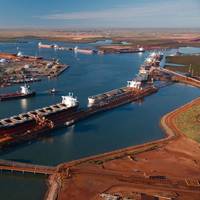
Iron ore shipments to China from Australia's Port Hedland terminal rose 5.3 percent in September from a month earlier, port data released on Wednesday showed.Iron ore shipments to China from the world's biggest iron ore port totaled 37.4 million tonnes in September, up from August's 35.5 million metric tons, according to the Pilbara Ports Authority.Total September iron ore shipments from the port totaled 43.5 million metric tons, up from 42.4 million metric tons in August.Port Hedland is used by three of Australia's top four iron ore miners, BHP Billiton, Fortescue Metals Group and Gina Rineha
Port Hedland Iron Ore Shipments to China Jump
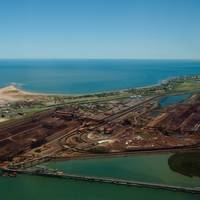
Iron ore shipments to China from Australia's Port Hedland terminal rose nearly 10 percent in August from a month earlier, port data released on Monday showed.Iron ore shipments to China from the world's biggest iron ore port totalled 35.5 million tonnes in August, up from July's 32.4 million tonnes, according to the Pilbara Ports Authority.Total August iron ore shipments from the port totalled 42.4 million tonnes, higher than the 40.7 million tonnes shipped a month prior, but 1 pct lower than August 2017.Port Hedland is used by three of Australia's top four iron ore miners, BHP Billiton , Fort
Port Hedland Iron Ore Shipments to China Climb in June
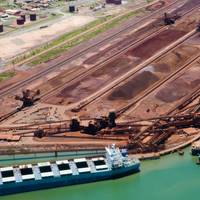
Iron ore shipments to China from Australia's Port Hedland terminal rose 7 percent to 39.69 million tonnes in June from a month earlier, port data released on Tuesday showed.Total June iron ore shipments from the world's biggest export terminal for the steelmaking raw material totalled 47.29 million tonnes, compared with 44.97 million tonnes in May, according to the Pilbara Ports Authority.Port Hedland is used by three of Australia's top four iron ore miners, BHP Billiton , Fortescue Metals Group and Gina Rinehart's Hancock Prospecting.Rio Tinto uses the nearby Dampier and Cape Lambert ports to
Port Hedland Iron Ore Shipments to China Rise 2.4% in May
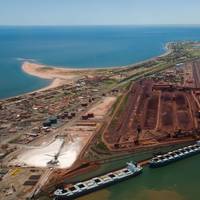
Iron ore shipments to China from Australia's Port Hedland terminal in May rose 2.4 percent from a month earlier to 37 million tonnes, port data released on Monday showed.Iron ore shipments to China in April stood at 36.1 million tonnes.Overall iron ore shipments from the world's biggest export terminal rose to 45 million tonnes in May from 42.6 million tonnes in the previous month, the Pilbara Ports Authority said.Port Hedland is used by three of Australia's top four iron ore miners - BHP Billiton , Fortescue Metals Group and Gina Rinehart's Hancock Prospecting.(Reporting by Tom Westbrook; Edi
China and Shifting Seaborne Iron Ore Dynamics
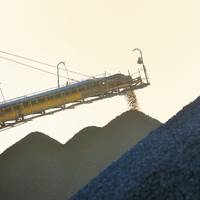
The seaborne iron ore market appears to be in something of a sweet spot currently, with largely steady demand and prices that have been flatlining for the past couple of months. Of course, another way of saying that a market is enjoying relatively stable and good times is that it's boring, but in iron ore there is plenty of action bubbling beneath the seemingly calm exterior. It's not so much that iron ore prices or volumes are expected to shift dramatically in the coming months, it's more that structural changes in the world's biggest importer, China, are re-shaping how the industry works.
Port Hedland Iron Ore Exports to China Fell 10% in February
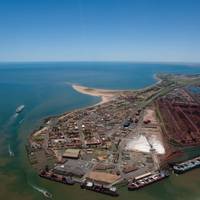
Iron ore shipments to China from Australia's Port Hedland terminal fell nearly 10 percent in February to 31.3 million tonnes, down from 34.7 million tonnes a month earlier, port data released on Thursday showed. Overall August iron ore shipments from the world's biggest export terminal for the steelmaking raw material fell to 38.5 million tonnes in February from 41.1 million tonnes in January, according to the Pilbara Ports Authority. Port Hedland is used by three of Australia's top four iron ore miners, BHP Billiton , Fortescue Metals Group and Gina Rinehart's Hancock Prospecting.
Port Hedland May Clear Ships as Storm Builds off Australia
Giant iron ore port may close as Australian storm builds. Vessels may be cleared from Australia's Port Hedland, the world's biggest iron ore export terminal, as early as Thursday as a safety precaution because of a tropical storm, port manager Pilbara Ports Authority said on Wednesday. The authority said Port Hedland may start clearing vessels on Thursday morning if the tropical low builds overnight into a cyclone off the Western Australia coastline. Port Hedland is used by three of Australia's top four iron ore miners - BHP,, Fortescue Metals Group and Gina Rinehart's Hancock Prospecting. A significant risk remains that it might become a severe tropical cyclone early on Friday…
Brokers Optimistic on Asia Dry Bulk-Capesize Rates
More activity from Australian miners buoy capesize rates; dry cargo market remains over-tonnaged as fleet growth outpaces demand. Freight rates for large capesize dry cargo ships on key Asian routes should stay largely unchanged next week on static cargo volumes though shipowners remain confident about prospects in the fourth quarter, ship brokers said. "I feel it's another boring week. People still have confidence in quarter four," a Shanghai-based capesize broker said on Thursday. That came as Rio Tinto fixed the 178,623 deadweight tonne (dwt) capesize ship Mount Austin on Thursday to haul iron ore from Western Australia to China at a rate of $4.40 per tonne, brokers said. The rate was about 10 cents higher than the Baltic dry bulk index rate for the route on Wednesday.
Iron Ore Surge Could Boost Asia Bulk Capesize Rates
Freight rates for large capesize dry cargo ships on key Asian routes could rise next week on higher volumes of iron ore cargoes, ship brokers said. "It's a bit more positive, optimistic next week," a Singapore-based capesize broker said on Thursday. Australian iron ore miners BHP Billiton and Fortescue Metals Group, which have largely been absent from the chartering market this week, could step up iron ore shipments on higher iron ore prices, brokers said. "It's only really been Rio Tinto that's been active for much of this week. BHP has taken the odd ship," the Singapore broker said. All the iron ore cargo charters from Australia to China this week were fixed at $4.55 per tonne, signalling a flat market, brokers said.
Asia Dry Bulk-Capesize Rates May Dip
Rates from Western Australia to China fall from six-month high. Freight rates for large capesize dry cargo ships on key Asian routes could slide next week as charterers rein in their activity following a flurry of fixtures which pushed rates from Western Australia to China to a six-month high this week, ship brokers said on Thursday. That came as all three Australian iron ore miners - Rio Tinto, BHP Billiton and Fortescue Metals Group - cashed in on higher iron ore prices with a raft of fixtures this week. Iron ore prices have climbed from a low of $37 a tonne in December to around $56 a tonne this week. "There were two days of optimism where the market was pushing up and everything is looking rosy…
Capesize ‘Uptick’ Not Strong Enough for an Upsurge
April 19, 2016. The latest Dry Bulk Freight Forecaster from Maritime Strategies International* analyses the recent uptick in the Capesize market and considers the positive trends and mitigating factors. MSI finds the indicators are relatively positive in the short-term for iron ore trade. On the supply-side, iron ore prices of $50-60/tonne are in profitable territory for the big iron ore miners and will no doubt support the ramp up of new export capacity in Australia and Brazil. On the demand side, an uptick in steel prices and steel production in China in March underpins more positive sentiment. In addition, concerns of high iron ore stockpiles in China are overplayed…
Dry Bulk Drought: Asia Rates Fall
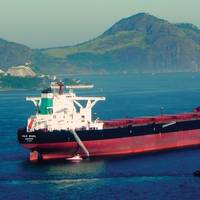
Rates for capesize bulk carriers on key Asian routes could continue to fall next week in the absence of major charterers although lower freight rates could tempt top iron ore miners back into the market and potentially buoy rates, brokers said. Charterers, including Vale, BHP Billiton and Fortescue Metals, kept out of the market on Thursday, shipbrokers said. "Without the likes of Vale and Rio Tinto in the market, rates are not going to rise. There are still plenty of ships available for October loading," said a Singapore-based capesize broker.
Capesize Rates to Rise Much Higher this Year
According to Commodore Research & Consultancy, capesize rates ended last week at $15,561/day, which marked a week-on-week increase of $6,167 (66%). Capesize rates have been able to rise by such a large amount so quickly, as vessel availability in both the Atlantic basin and Pacific basin have become tighter. Going forward, demand for capesize vessels is poised to rise even further as both Australian and Brazilian iron ore production is set to rise much further through the end of the year (the most significant element is that Brazilian iron ore production is set to rise by an extremely large amount and much less capesize vessels are available in the Atlantic basin). Coal shipment volume is also increasing in both the Atlantic and Pacific.
China's Seizure of Japanese Ship has Pre-WWII Roots
It all began with a pre-World War II contract between China's then "ship king" and a Japanese company to lease two Chinese freighters. When the one-year lease was up in 1937, the ships were nowhere to be found. That year also marked the start of a full-scale war between China and Japan. And so began a protracted legal case which came to a head last weekend, when a Chinese court ordered the seizure of an iron ore carrier owned by the successor to the original Japanese company in compensation for the loss of the two Chinese vessels. The impoundment has created unease in Japan's government, which warns that the action could affect Japanese businesses in China. It remains unclear whether the sudden ruling by the Shanghai Maritime Court would herald the seizure of more Japanese assets.
China's Japanese Ship Seizure has pre-WWII Roots
It all began with a pre-World War Two contract between China's then "ship king" and a Japanese company to lease two Chinese freighters. When the one-year lease was up in 1937, the ships were nowhere to be found. That year also marked the start of a full-scale war between China and Japan. And so began a protracted legal case which came to a head last weekend, when a Chinese court ordered the seizure of an iron ore carrier owned by the successor to the original Japanese company in compensation for the loss of the two Chinese vessels. The impoundment has created unease in Japan's government, which warns that the action could affect Japanese businesses in China. It remains unclear whether the sudden ruling by the Shanghai Maritime Court would herald the seizure of more Japanese assets.

