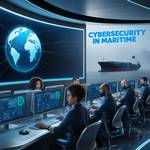
Rising Technological Threats in Global Shipping
The maritime industry, a crucial pillar of global trade, has always grappled with the challenge of piracy. Over the past few decades, the nature of piracy has dramatically evolved, and new technologies have become a double-edged sword. On one hand, they offer improved safety and navigation capabilities; on the other, they provide pirates with unprecedented tools that enhance their capacity for disruption, theft, and violence. Let's delve into the growing threat of new technologies in maritime piracy and the implications for global maritime security.
1. Enhanced Navigation and Tracking Systems
a. GPS Spoofing and Jamming: Pirates have begun utilizing GPS spoofing and jamming devices to mislead or disable navigation systems on ships. This technology can redirect vessels off established routes, making them easier targets for boarding and hijacking.
b. Automatic Identification System (AIS) Exploitation: While AIS is designed to increase maritime safety by providing real-time vessel tracking information, pirates can misuse this data. They can identify target-rich environments, monitor ship movements, and plan attacks more effectively.
2. Cyber Attacks
a. Ransomware and Malware: The shipping industry is increasingly reliant on digitized systems for managing logistics and operations. Ransomware and other malware attacks can cripple a vessel's operational capabilities, making ships vulnerable until a ransom is paid.
b. Phishing and Social Engineering: Maritime personnel can fall victim to sophisticated phishing attacks that grant pirates access to critical shipboard systems. Information obtained through these means can be used for planning and executing physical sea attacks or conducting financial fraud.
3. Drones and Unmanned Vehicles
a. Surveillance Drones: Pirates can employ drones for reconnaissance missions to monitor ship routes, identify vulnerable targets, and even assess security measures on deck in real time.
b. Unmanned Underwater Vehicles (UUVs): These devices can be used for sabotage, such as planting explosives on the hull of a ship while remaining undetected.
4. Communication Interception
a. Radio and Satellite Interception: Pirates can intercept radio and satellite communications to gather intelligence on ship movements, cargo, and crew, giving them a tactical advantage during hijacking attempts.
b. Spoofed Communications: By faking communications (e.g., distress signals), pirates can lure nearby ships into traps or create confusion during coordination efforts between ships and coastal authorities.
5. Artificial Intelligence (AI) and Machine Learning
a. Predictive Analysis: Pirates equipped with AI tools can analyze shipping routes and schedules to predict the best times and locations for attacks. This enables more efficient planning and execution of piratic activities.
b. Deepfake Technologies: Deepfakes can be used to create fake communications that appear to be from legitimate sources, tricking ship personnel into taking actions that could compromise the vessel's security.
Implications and Solutions
The increasing sophistication of maritime piracy due to advanced technology poses several serious implications:
Economic Impact: Disruptions in global trade routes can lead to significant economic losses, increased insurance premiums, and higher costs for goods.
Human Safety: The threat to crew members' lives and well-being cannot be overstated. Enhanced firepower and modern tools make pirate confrontations more dangerous.
Environmental Risks: Sabotage or hijackings leading to environmental catastrophes, such as oil spills, can have long-lasting detrimental effects on marine ecosystems.
To mitigate these threats, the maritime industry must adopt a multi-faceted approach:
Investment in Cybersecurity: Stronger cyber defenses and regular updates to software and protocols are vital. Training crews to recognize and respond to cyber threats is equally important.
Advanced Surveillance and Defense Measures: Deploying counter-drone systems and underwater detection technologies can help identify and neutralize threats before they become critical.
International Cooperation: Robust international collaboration in intelligence sharing, maritime patrols, and legal frameworks can help in the rapid identification and response to piracy threats.
Regular Drills and Training: Ensuring that crews are well-versed in emergency protocols and can react swiftly and effectively during an attack can save lives and property.
Technological Innovations: Continued innovation in protective technologies such as non-lethal weapons, improved monitoring systems, and secure communication networks will be essential in staying ahead of technologically savvy pirates.
The fusion of modern technology with traditional piracy presents an evolving challenge. By understanding these new threats and responding proactively, the maritime industry can safeguard its vessels, crews, and the global supply chain.