
Digitalization and Smart Shipping: Transforming the Maritime Industry
The maritime industry, a cornerstone of global trade, is undergoing a significant transformation through the adoption of digitalization and smart shipping technologies. As the industry navigates the challenges of efficiency, sustainability, and safety, digital solutions are emerging as key drivers of change. From enhanced operational efficiency to real-time data analytics, digitalization is revolutionizing how ships and ports operate, paving the way for a smarter, more connected maritime future.
The Rise of Digitalization in Maritime
Digitalization refers to the integration of digital technologies into various aspects of maritime operations, transforming traditional practices with cutting-edge solutions. This shift is being driven by several factors, including the need to optimize logistics, reduce costs, improve safety, and comply with increasingly stringent environmental regulations.
Key areas of digitalization in the maritime industry include:
- Automation: The use of automated systems for navigation, cargo handling, and maintenance has become increasingly prevalent. Automation reduces human error, enhances precision, and allows for more efficient use of resources.
- Internet of Things (IoT): IoT devices are being deployed on ships and in ports to monitor and collect data in real-time. Sensors track everything from fuel consumption and engine performance to weather conditions and cargo status, providing valuable insights for decision-making.
- Big Data and Analytics: The vast amounts of data generated by IoT devices and other digital systems are analyzed using advanced analytics and AI. This enables predictive maintenance, route optimization, and more informed decision-making, ultimately leading to cost savings and operational efficiencies.
- Blockchain: Blockchain technology is being explored for its potential to enhance transparency and security in the shipping supply chain. It allows for the secure, immutable recording of transactions, reducing fraud and errors in documentation and logistics processes.
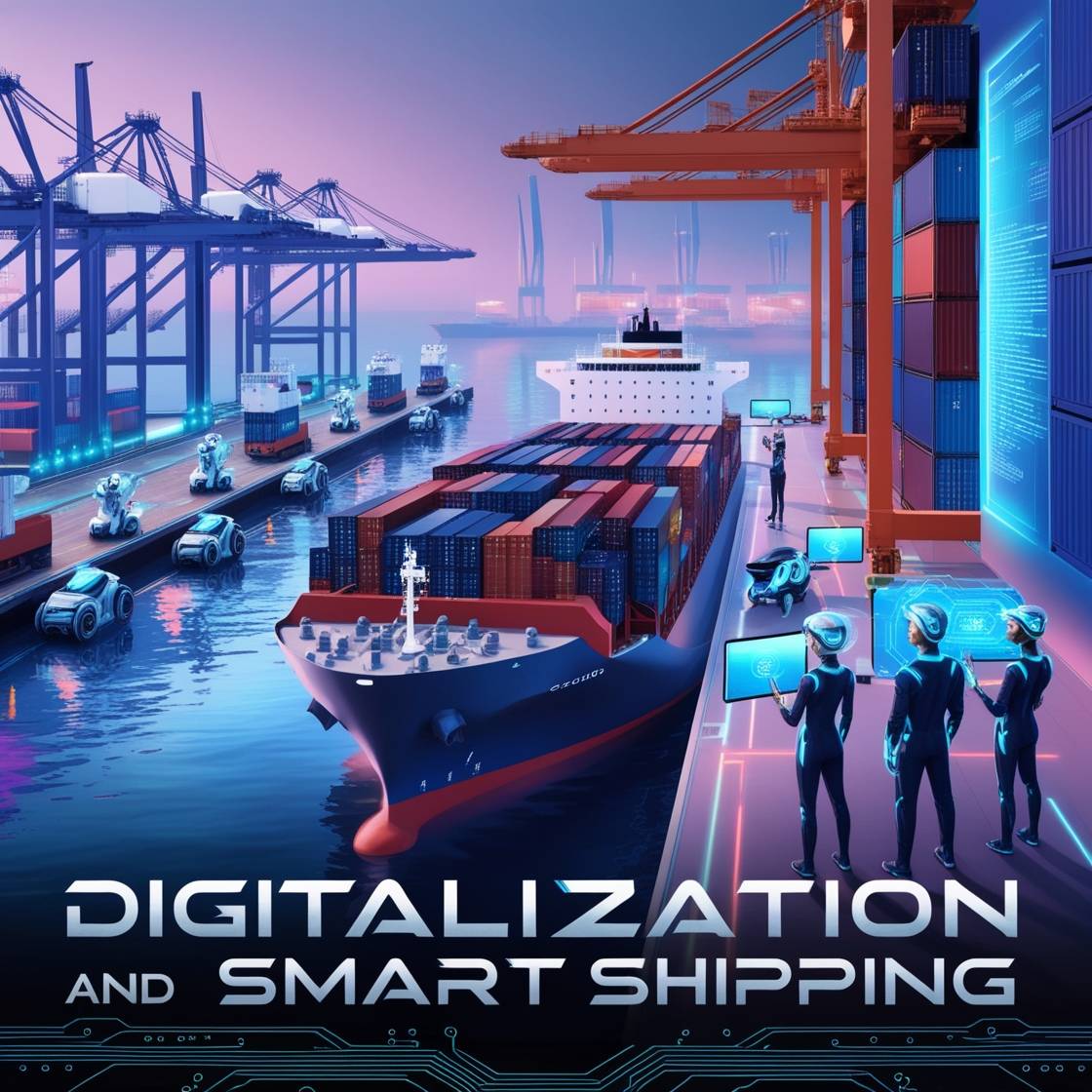
- Smart Ports: Ports are becoming smarter through the use of digital technologies to manage traffic, optimize cargo handling, and reduce turnaround times. Smart ports are integral to the overall efficiency of global supply chains, and their development is closely linked to the digitalization of shipping.
Benefits of Smart Shipping
The move towards smart shipping offers numerous benefits for the maritime industry, contributing to increased efficiency, safety, and sustainability:
Operational Efficiency
- Digitalization streamlines maritime operations, reducing the time and cost associated with tasks such as cargo handling, navigation, and maintenance. Automated systems can perform tasks more quickly and accurately than human operators, leading to faster turnaround times and reduced operational costs.
Enhanced Safety
- The use of digital technologies improves safety on board ships and in ports. Automated systems can monitor critical parameters in real-time, alerting operators to potential hazards before they escalate into serious incidents. Predictive maintenance, enabled by data analytics, helps identify issues before they lead to equipment failure or accidents.
Environmental Sustainability
- Smart shipping technologies contribute to environmental sustainability by optimizing fuel consumption and reducing emissions. For example, route optimization software can calculate the most fuel-efficient path for a voyage, minimizing greenhouse gas emissions. Additionally, digital monitoring systems ensure compliance with environmental regulations, such as those related to ballast water management and emissions control.
Cost Savings
- By improving efficiency and reducing the need for manual intervention, digitalization leads to significant cost savings. Predictive maintenance reduces the frequency and cost of repairs, while automation lowers labor costs. Furthermore, optimized logistics and supply chain management reduce waste and increase profitability.
Improved Transparency and Accountability
- Blockchain technology and other digital tools enhance transparency in the shipping industry, making it easier to track shipments, verify documents, and ensure compliance with regulations. This increased transparency helps build trust among stakeholders, from shippers to end customers, and reduces the risk of fraud.
Challenges and Considerations
While digitalization and smart shipping offer many advantages, there are also challenges that the maritime industry must address:
Cybersecurity Risks
- As ships and ports become more connected, they are increasingly vulnerable to cyber threats. Protecting digital systems from cyberattacks is crucial to ensure the safety and reliability of maritime operations. The industry must invest in robust cybersecurity measures, including encryption, firewalls, and regular security audits.
Initial Costs and Integration
- The upfront cost of implementing digital technologies can be high, particularly for smaller shipping companies and ports. Additionally, integrating new digital systems with existing infrastructure can be complex and time-consuming. To overcome these challenges, the industry must carefully plan and prioritize digital investments.
Skills and Training
- The adoption of digital technologies requires a workforce with the necessary skills to operate and maintain these systems. Training and upskilling programs are essential to ensure that maritime professionals can effectively use digital tools and adapt to new ways of working.
Regulatory and Compliance Issues
- The rapid pace of digitalization may outstrip the development of regulatory frameworks, leading to uncertainties around compliance and legal issues. The industry must work closely with regulators to develop standards and guidelines that support the safe and effective use of digital technologies.
The Future of Digitalization and Smart Shipping
The future of the maritime industry is undoubtedly digital. As technologies continue to evolve, we can expect even greater integration of AI, automation, and IoT in shipping operations. The development of autonomous ships, for example, represents the next frontier in smart shipping, with the potential to further enhance efficiency and safety.
Moreover, the expansion of smart ports and the continued adoption of blockchain will transform global supply chains, making them more transparent, secure, and efficient. Collaboration between industry stakeholders, technology providers, and regulators will be key to realizing the full potential of digitalization in maritime.
Conclusion
Digitalization and smart shipping are transforming the maritime industry, offering significant benefits in terms of efficiency, safety, and sustainability. While challenges remain, the industry's commitment to embracing new technologies is paving the way for a smarter, more connected future. As digitalization continues to advance, the maritime sector will become increasingly agile, resilient, and capable of meeting the demands of a rapidly changing global economy.